
Air duct cleaning in San Francisco, CA
Connect with an independent provider for duct work in San Francisco homes and buildings.
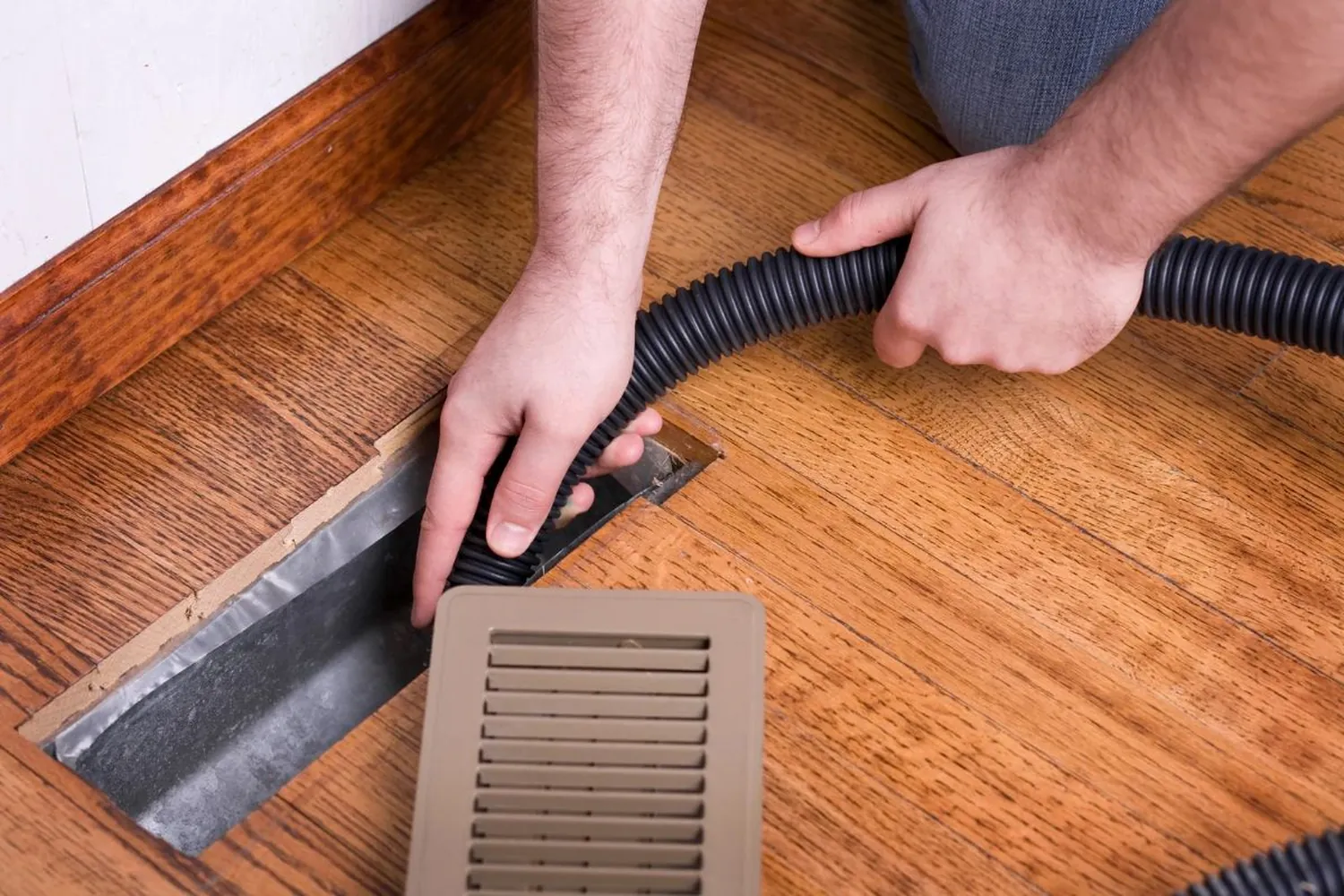
Air Duct Cleaning
TownSan Francisco, CA
CountySan Francisco
ZIP94102, 94103, 94104, 94105, 94107, 94108, 94109, 94110, 94111, 94112, 94114, 94115, 94116, 94117, 94118, 94119, 94121, 94122, 94123, 94124, 94127, 94129, 94130, 94131, 94132, 94133, 94134, 94158
- 5years of experience
- 2,500customers served
- 15team members
- Since 2020serving homeowners
Ductwork concerns across San Francisco’s distinct neighborhoods
San Francisco neighborhoods differ sharply, from foggy Outer Sunset blocks to steep Bernal Heights streets and dense apartments in Nob Hill. Victorian and Edwardian homes are common in areas such as the Mission, Haight-Ashbury, and Noe Valley, while South Beach and Mission Bay include newer condominium buildings. The city’s hills, coastal exposure, and closely built housing can affect where duct runs, vents, and mechanical equipment are located. We connect callers with independent providers for air duct cleaning in San Francisco.
Roads, hills, and building access
Major routes including Van Ness Avenue, Geary Boulevard, Market Street, and 19th Avenue cross very different parts of the city. Hills and narrow streets can affect access to a building, while duct equipment may be located in garages, closets, basements, or roof spaces.
Remodels and home additions
Many San Francisco houses have been altered over several generations. A provider can inspect whether added rooms, converted basements, or remodeled kitchens changed supply and return paths or left older duct sections in place.
Apartments, flats, and rental buildings
Duplexes, Edwardian flats, apartment buildings, and condos may have separate HVAC systems or shared building systems. The provider needs to identify which registers and ducts belong to the unit before work begins.
Wind, elevation, and exposure
Wind and cool marine air are common on western and higher-elevation blocks, including Twin Peaks and the Sunset District. These conditions can change how often heating equipment runs and how dust moves through return openings.
How air duct cleaning is approached in San Francisco properties
Homes in San Francisco can use forced-air furnaces, heat pumps, or central systems with ducts routed through attics, crawl spaces, walls, and floor cavities. An air duct cleaner starts by locating supply branches, return trunks, registers, grilles, and the air handler. This helps determine which portions of the system are accessible and whether a duct inspection is appropriate before work proceeds.
Duct cleaning may address settled dust, pet hair, construction debris, and allergens inside reachable ductwork. Where moisture has been present, the technician may look for signs that warrant further evaluation for mildew or mold growth rather than treating every dark mark as contamination. HEPA filtration and negative air pressure equipment can be used to contain loosened material during the process.
An air duct cleaning service commonly includes access-point setup, cleaning of reachable supply and return sections, and cleaning of vent covers when included in the provider’s quote. The technician may also note loose connections, damaged insulation, or gaps that could call for duct sealing. Sanitizing or deodorizing should be discussed in advance, including the product used and whether it fits the condition found.
Air duct cleaning work in San Francisco
| Part or service | What it does | Signs it needs attention |
|---|---|---|
| Supply ducts | Carry conditioned air from the HVAC equipment to rooms. | Dust at registers, reduced airflow, or visible damage at accessible sections. |
| Return ducts | Carry indoor air back to the HVAC equipment. | Dust around return grilles, restricted airflow, or loose accessible connections. |
| Registers and grilles | Cover duct openings and direct or receive airflow. | Visible dust buildup, damage, or blocked openings. |
| Air handler or furnace area | Moves air through the system and holds components such as the filter. | A dirty filter, debris around the equipment, or unusual operation. |
| Duct cleaning service | Removes accessible dust and debris from duct system components using appropriate equipment. | Buildup following renovation work, recurring dust, or a provider's inspection findings. |
Fog, rain, and heating use through the year
San Francisco’s cool summers and marine fog mean many homes use heating more often than air conditioning. January is typically the wettest month, and wet weather can make existing roof, wall, or crawl-space moisture issues more noticeable around duct materials. Wind-driven dampness and limited sun on some lots can also slow drying after a leak. Indoor air quality concerns should be evaluated alongside the source of moisture, not through duct work alone.
Where we work in San Francisco
Also nearby: Daly City, Brisbane, South San Francisco, Oakland, Alameda, Sausalito.
Outer Sunset
Coastal fog and sand can affect exterior vent areas and homes often have compact equipment spaces.
Noe Valley
Hillside homes may have ducts running through remodeled lower levels, attics, or crawl spaces.
Mission District
Older flats and multi-unit buildings can have separate heating layouts from one unit to the next.
Bernal Heights
Steep lots and varied home additions can make the path to duct access points less direct.
Richmond District
Cool ocean air and older housing are common considerations for heating duct layouts.
Mission Bay
Newer condo buildings may use centralized or unit-specific mechanical systems.
San Francisco air duct questions
Which San Francisco ZIP codes and sections can be matched with an air duct cleaning provider?
We can connect callers across San Francisco, including areas using ZIP codes from 94102 through 94134 and 94158. Availability depends on the independent provider’s service area and the type of building.
How do Victorian and Edwardian houses in the Haight or Mission affect duct cleaning?
Older houses may have ducts added long after original construction, often through basements, attics, closets, or remodeled rooms. The provider can identify accessible runs and explain if concealed sections cannot be reached without opening finishes.
What should condo owners in Mission Bay or South Beach ask about ductwork?
Ask whether the HVAC system serves only the unit or is part of a shared building arrangement. Building rules may also control access to equipment rooms, roof areas, and common shafts.
What can January rain in San Francisco mean for heating ducts and vents?
Rain itself does not make ducts dirty, but roof leaks, wet crawl spaces, or condensation issues can introduce moisture near insulation and duct materials. The technician can point out visible concerns, while a qualified specialist may need to locate and correct the water source.
Should an aging duct system in a Sunset District home be repaired or replaced?
A provider can assess accessible duct condition, disconnected joints, crushed flex duct, insulation damage, and leakage. Localized problems may be candidates for repair, while widespread deterioration can justify discussing replacement with an HVAC contractor.
Need air duct cleaning in San Francisco?
Tell us your town and what is happening.