
Air duct cleaning in Stanford, CA
Discuss duct and vent cleaning options for Stanford homes and residential buildings.
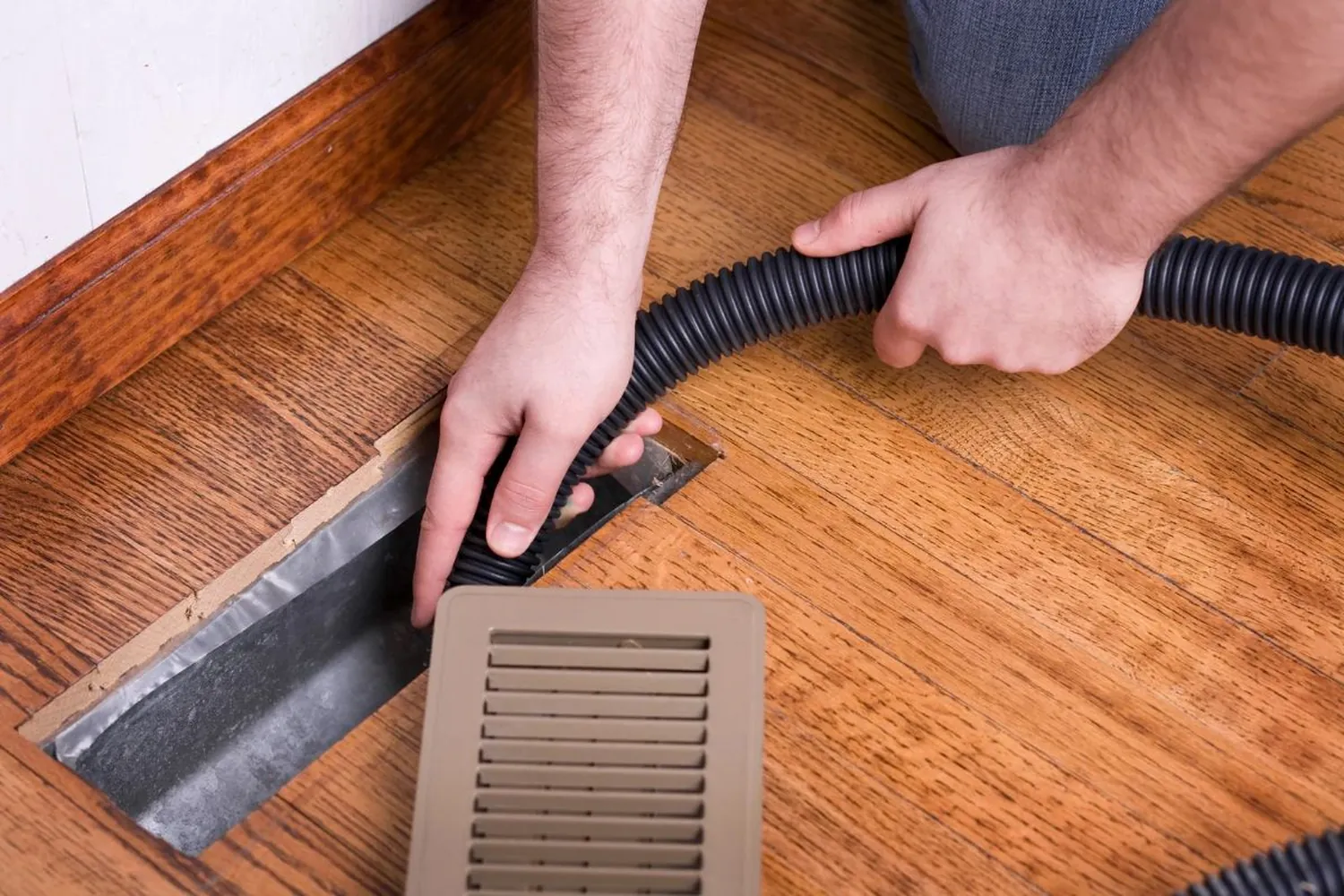
Air Duct Cleaning
TownStanford, CA
CountySanta Clara
ZIP94305
- 5years of experience
- 2,500customers served
- 15team members
- Since 2020serving homeowners
Duct care for Stanford’s dry summers and wet winters
Stanford is known for dry, warm summers and mild, wetter winters, a Mediterranean pattern common along the Peninsula. The community lies beside Palo Alto and the Stanford University campus in Santa Clara County. Housing includes campus-adjacent residences, apartments, faculty housing, and properties near the foothills. We connect callers with independent providers for air duct cleaning in Stanford.
Building age and design
Stanford-area residences range from older houses to apartments and newer residential buildings. Duct routing may be in attics, utility closets, crawl spaces, or ceiling cavities, depending on the structure.
Lots, slopes, and equipment placement
Land rises toward the western foothills, while much of the core area is relatively level. Outdoor equipment may sit beside a building, on a roof, or on a sloped site, although duct cleaning work focuses on the indoor distribution system.
Trees, leaves, and pollen
Mature trees throughout the campus and nearby neighborhoods contribute leaves and seasonal pollen. An air filter can capture some airborne material before it reaches the air handler, but filters need regular attention.
Winter storms and snow
Winter storms bring rain and wind to Stanford. Snow is rare at Stanford’s low elevation, though it is more common at higher elevations in the nearby Santa Cruz Mountains; storm-related water entry should be addressed at its source.
What a Stanford duct cleaning visit can include
A local air duct cleaning company can first identify the system type and reachable ducts. The technician may examine the air handler, return openings, supply vents, and the condition of the air filter. Dust buildup, pet dander, and blocked registers can each contribute to concerns about airflow or indoor surfaces.
Duct cleaning uses equipment suited to accessible duct runs and may include cleaning vent covers and returns. The provider can also explain whether dryer vent cleaning is separate from HVAC duct work. Dryer duct service focuses on lint buildup in the clothes-dryer exhaust path, not the heating and cooling ducts.
If there is an odor, a provider can look for accessible debris, a dirty filter, or signs that warrant a separate HVAC or moisture assessment. The blower fan, blower motor compartment, and evaporator coil area are different system components and may require different services. Ask the air duct cleaner to state what is included, what cannot be reached, and whether filter replacement is recommended.
Air duct cleaning work in Stanford
| Part or service | What it does | Signs it needs attention |
|---|---|---|
| Supply ducts | Carry conditioned air from the HVAC equipment to rooms. | Dust at registers, reduced airflow, or visible damage at accessible sections. |
| Return ducts | Carry indoor air back to the HVAC equipment. | Dust around return grilles, restricted airflow, or loose accessible connections. |
| Registers and grilles | Cover duct openings and direct or receive airflow. | Visible dust buildup, damage, or blocked openings. |
| Air handler or furnace area | Moves air through the system and holds components such as the filter. | A dirty filter, debris around the equipment, or unusual operation. |
| Duct cleaning service | Removes accessible dust and debris from duct system components using appropriate equipment. | Buildup following renovation work, recurring dust, or a provider's inspection findings. |
Seasonal conditions around Stanford
Long dry periods can leave windows open and allow fine outdoor material to enter living spaces. Winter rain can reveal roof, drainage, or crawl-space moisture issues, which should not be treated as a cleaning issue alone. Spring pollen may increase filter loading, especially in homes with pets or frequent open-window ventilation. Checking filters and visible vents seasonally gives homeowners a simple starting point.
Where we work in Stanford
Also nearby: Palo Alto, Menlo Park, East Palo Alto, Los Altos, Mountain View, Redwood City.
Stanford University
Campus-area buildings may have institutional access rules and mechanical rooms not typical of detached houses.
Stanford Research Park
Office properties can require a commercial scope and coordination around occupied work areas.
Stanford Shopping Center area
Retail and nearby multi-unit buildings may use rooftop or shared HVAC configurations.
Palo Alto-Stanford border
Older nearby homes can have retrofitted heating and cooling systems with varied duct layouts.
Stanford air duct questions
What could a musty smell or odd noise from a Stanford home’s return vent indicate?
A smell can come from a dirty filter, accessible dust, moisture near equipment, or another source in the building. Noise may relate to airflow, a loose grille, or mechanical equipment; a provider can inspect accessible duct components, while equipment noises may need HVAC diagnosis.
Why might one room near the Stanford foothills feel different from the rest of the house?
Uneven temperature can be related to duct routing, closed registers, insulation, room exposure, a restricted return, or equipment performance. A duct inspection can identify accessible concerns, but it does not by itself diagnose every comfort issue.
Before calling from a Stanford residence, what should I check on the filter, breaker, thermostat, and outdoor unit?
Check whether the thermostat is set as intended, the filter is visibly loaded, and a breaker has tripped. Keep clear of electrical components and do not open sealed equipment panels; note any visible debris around an outdoor unit for the provider.
Are permits or Stanford-area building inspections needed for duct cleaning?
Routine cleaning generally differs from altering ducts or replacing HVAC equipment. For changes to building systems, ask the provider and the relevant local building department what permits or inspections apply.
How do tight Stanford attics, crawl spaces, steep lots, or limited street parking affect access?
Access can determine which ducts are reachable and what equipment can be brought to the property. Tell the provider about gates, stairs, parking rules, attic openings, crawl-space height, and any site restrictions when scheduling.
Need air duct cleaning in Stanford?
Tell us your town and what is happening.